


October 8, 2025
If you’re renovating, replacing old equipment, or building new, you’ve probably typed boilers vs furnaces into a search bar and found more opinions than answers. The choice shapes how your home feels, the sounds you hear, how evenly rooms warm up, and what you’ll spend over the next 10–20 years. Written on behalf of AOBUTEC – HVAC, this guide unpacks boilers vs furnaces in clear language, comparing comfort, efficiency, maintenance, and installation realities across Canadian homes and climates. By the end, boilers vs furnaces won’t be a buzzphrase—it’ll be a decision you can make confidently, backed by numbers and practical tradeoffs.
Boilers vs furnaces is ultimately a comfort philosophy: hydronic heat that flows silently through radiators or in-floor loops, versus forced air that moves quickly through ducts and pairs easily with cooling. AOBUTEC – HVAC installs and services both, so we’ll walk you through what truly matters: how each system distributes heat, how your home and lifestyle affect the choice, and where boilers vs furnaces land on cost and maintenance. You’ll also find a practical checklist, official Canadian resources, and a simple, region-aware decision framework.
How the Systems Work—and Why That Changes the Feel
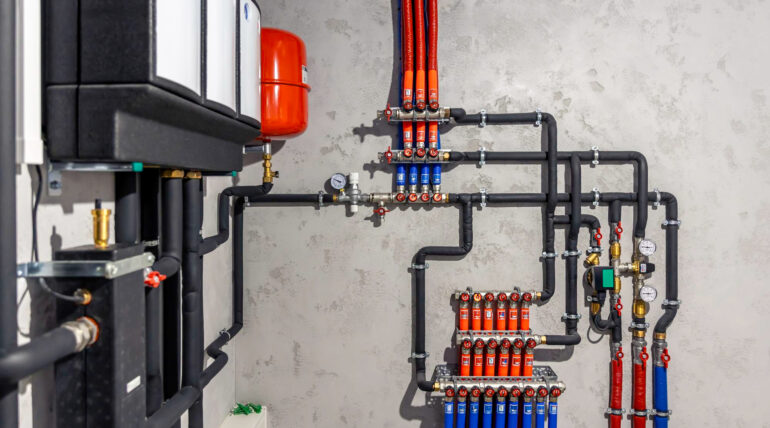
Hydronic basics: A boiler heats water and circulates it through radiators, baseboards, or in-floor tubing. The water gives up heat to the room and returns cooler to the boiler to repeat the cycle. In the boilers vs furnaces conversation, hydronic systems are prized for stable, even warmth and near-silent operation. Instead of hot bursts, you get steady “soak” heat as surfaces and air warm together.
Forced-air basics: A furnace combusts fuel (or uses electric resistance) to heat a heat exchanger. A blower then pushes room air across that exchanger and through ducts into your living spaces. In boilers vs furnaces comparisons, forced air wins for speed, easy pairing with air conditioning, central filtration, and add-ons like humidifiers and UV purification.
Distribution drives perception: Hydronics feel radiant and draft-free with minimal fan noise. Forced air responds faster, makes cooling simple, and centralizes filtration. Both can be highly efficient; the bigger difference is how the heat arrives.
Boilers vs Furnaces: Comfort, Air Quality, and Noise
Temperature stability and room-to-room consistency: Hydronic systems typically deliver very even temperatures with long, gentle cycles. Forced-air systems can match this with variable-speed blowers and properly sized ducts; older duct systems may need tuning to eliminate hot-and-cold rooms. If “steady” comfort matters most, boilers vs furnaces may tilt hydronic; if you prefer fast response, forced air has the edge.
Humidity and winter dryness: Hydronic heat doesn’t dry the air directly, which is a plus in very cold climates. Forced air can be paired with a whole-home humidifier to maintain healthy winter humidity. If dryness is a recurring issue, consider humidity strategy alongside boilers vs furnaces.
Air filtration and allergens: If allergies are a concern, furnaces offer a clear advantage because air already passes through a central filter that can be upgraded to high-surface-area media. Hydronic systems don’t circulate air, so homeowners often add room air purifiers or a dedicated HRV/ERV for fresh air. For allergy management, boilers vs furnaces often favours a well-designed forced-air system.
Sound levels: Hydronics are nearly silent. Furnaces can be extremely quiet with variable-speed blowers and free-breathing ducts. If sound is a top priority in boilers vs furnaces, either can be quiet; hydronic has the inherent edge, while forced air needs careful duct and blower tuning.
Efficiency, Fuel, and Lifetime Cost
Combustion efficiency and real-world use: AFUE ratings for high-efficiency condensing equipment in either category can exceed 95%. On paper, boilers vs furnaces is a draw. In practice, distribution losses and control strategies (outdoor reset for hydronics; staging and fan profiles for forced air) determine who wins at your address.
Fuel choices and local rates: Boilers vs furnaces economics vary with natural gas, propane, and electricity prices. Gas-fired condensing units—boiler or furnace—tend to offer the lowest heating cost per BTU where gas is available. Electric boilers or furnaces can make sense in all-electric homes with low-carbon grids or time-of-use rates. AOBUTEC – HVAC can run a simple 10-year model using your postal code to compare boilers vs furnaces accurately.
Duct losses vs piping losses: Leaky or undersized ductwork can raise energy use and reduce comfort; sealed, insulated ducts narrow that gap. Hydronic piping losses are typically small when insulated and routed efficiently. In older homes where retrofitting ducts is impractical, boilers vs furnaces often tilts toward hydronics to avoid major construction.
Installation Realities and Home Compatibility
What your house “wants”: If you already have radiators/baseboards and no central AC, boilers vs furnaces usually favours a modern condensing boiler. If you have ducts or plan to add cooling, boilers vs furnaces often favours a high-efficiency furnace with central AC or a heat pump. During major renovations, you can choose hydronic in-floor heat plus a small ducted system for cooling/ventilation—or a premium ducted platform for both heating and cooling.
Space, venting, and chimneys: Condensing units (boiler or furnace) typically sidewall-vent with PVC/CPVC and require a condensate drain. Non-condensing replacements may use a chimney liner. In tight mechanical rooms, wall-hung boilers free floor space. Where ducts already exist and space is ample, boilers vs furnaces leans toward a furnace.
Integration with cooling, ventilation, and IAQ: Central AC and whole-home IAQ devices attach easily to furnaces. Hydronic homes often add a small ducted air handler just for cooling and balanced ventilation. If you want a single platform for filtration, UV, and humidity control, boilers vs furnaces tends to favour forced air.
Controls, Zoning, and Responsiveness
Zoning granularity: Hydronic systems offer precise zoning with circulators or zone valves. Forced air can zone effectively with motorized dampers and smart controls, but duct static pressure must be managed to prevent noise and equipment stress. In boilers vs furnaces, both can zone well if designed properly.
Warm-up speed: Furnaces respond quickly and are great for fast recovery after setbacks. Hydronics warm more slowly but maintain steadier room temperatures. If you like small setbacks and gentle comfort, boilers vs furnaces may favour hydronics; if you prefer aggressive setbacks and rapid warm-up, forced air wins.
Smart optimization: Outdoor reset trims boiler water temperature to match weather and lift efficiency. Variable-speed blowers and advanced furnace boards fine-tune airflow and staging. With good commissioning, boilers vs furnaces becomes less about the label and more about installation quality.
Maintenance: Keeping Each System Happy
What homeowners can do: Furnace owners should replace filters on schedule, keep returns clear, and listen for new noises. Boiler owners should check pressure/temperature gauges, look for leaks, and bleed radiators annually if needed. Across boilers vs furnaces, a tidy mechanical room and clear access make every visit faster.
What pros should do annually: Furnace service includes burner/ignitor/flame-sensor checks, verifying temperature rise, testing safety switches, cleaning the blower and coil, and measuring static pressure. Boiler service includes combustion checks, expansion tank/relief valve verification, circulator inspection, low-water cutoff testing (where present), and vent/condensate proof. Routine care narrows any performance gap in boilers vs furnaces and extends equipment life.
Questions to Answer Before You Choose
- Do you need or plan to add central cooling?
- Is there room—and budget—to upgrade or add ductwork?
- Do you value ultra-quiet, draft-free heat enough to accept slower warm-ups?
- Are allergies a major concern that benefit from central filtration?
- How complex is venting where your equipment sits now?
- What are your local gas and electricity rates?
- Are you renovating soon (floors open = hydronic opportunity)?
- Do you plan to zone bedrooms and living areas separately?
- Is mechanical room space tight (wall-hung boiler advantage)?
- How sensitive are you to upfront price versus lifetime cost?
Regional Reality Check: Boilers vs Furnaces Across Canada
Southern Ontario and Southern Quebec: Humid summers, legit winters, long shoulder seasons. Many homes choose furnaces for easy AC pairing, but heritage homes with radiators upgrade to condensing boilers. Dual-platform homes (hydronic heat plus a small ducted system for cooling/ventilation) are common. In boilers vs furnaces, either can win—house geometry and priorities decide.
British Columbia’s South Coast: Mild winters, long shoulder seasons, strong electrification trend. Hydronic in-floor heat is popular in new builds; many pair it with a small ducted heat pump for cooling. Boilers vs furnaces often tilts toward hydronics or heat pumps.
The Prairies: Deep-cold resilience matters. Furnaces with properly designed ducts offer quick recovery and straightforward humidification. Hydronic systems shine in high-end builds for radiant comfort. Boilers vs furnaces decisions often hinge on response speed and budget.
Atlantic Canada: Wind, salt, and humidity shape design. Hydronics give cozy steadiness in drafty heritage homes; furnaces integrate filtration and dehumidification easily. Installation details and corrosion-resistant components matter as much as the boilers vs furnaces label.
Codes, Safety, and Where to Learn More
- Natural Resources Canada – Heating and Cooling Systems
- Health Canada – Indoor Air Quality
A Straightforward Decision Framework
Step 1: Map your constraints. List what’s fixed (existing ducts or radiators, mechanical space, vent paths). If ducts are poor and you won’t renovate, boilers vs furnaces leans hydronic. If ducts are good or cooling is essential, forced air climbs the list.
Step 2: Define comfort priorities. Rank silent operation, speed of response, humidity strategy, filtration, and zoning. Your top two priorities usually settle boilers vs furnaces quickly.
Step 3: Model operating costs. Compare fuel rates and efficiencies with a simple 10-year model. AOBUTEC – HVAC can prepare this so boilers vs furnaces becomes a numbers-backed choice.
Step 4: Plan controls and upgrades. Outdoor reset for boilers; variable-speed blowers and proper filter racks for furnaces. Commit to these details—boilers vs furnaces outcomes depend more on commissioning than brochures.
Step 5: Get a line-item proposal. Insist on airflow targets (furnace), water temperatures (boiler), venting method, condensate management, and a commissioning checklist. When proposals are this clear, boilers vs furnaces is easy to compare.
Why Choose AOBUTEC – HVAC
You don’t need a sales pitch—you need a guide who works on both sides of the boilers vs furnaces aisle and tells you what will actually feel best in your house. AOBUTEC – HVAC brings room-by-room load calculations, duct or piping assessments, clean, code-compliant installs, and commissioning data you can keep.
What we deliver on every project:
• Right-sizing by room, not just square footage
• Airflow targets and static-pressure testing for furnaces; outdoor-reset and pump sizing for boilers
• Commissioning data (temperature rise or supply/return water temps, combustion readings) so boilers vs furnaces performance is proven on day one
• Clean venting and condensate work with photos and documentation
• Plain-English maintenance plans so either system stays efficient and quiet
Repair, Retrofit, or Replace? Timing the Move
When a tune and targeted fixes are enough: If your current system responds to cleaning, calibration, and small parts, stretch its life while you plan a larger upgrade. In boilers vs furnaces, airflow fixes on a furnace or control tweaks on a boiler can transform comfort at low cost.
When it’s time to change platforms: If ducts are impossible and you crave silent, radiant comfort, go hydronic. If you’re adding cooling and want centralized filtration and humidity control, a high-efficiency furnace may be the better long-term platform. Major renovations are the perfect moment to settle boilers vs furnaces decisively.
Putting It All Together: A Quick Comparative Snapshot
• Comfort feel: hydronic is steady and silent; forced air is fast and versatile
• Cooling: simple with furnaces; hydronic homes add a small ducted or ductless system
• Filtration and allergens: advantage forced air
• Humidity: hydronics don’t dry air; furnaces pair with humidifiers
• Zoning: both can do it; hydronic is exceptionally precise
• Installation complexity: depends on what’s already in your house
• Commissioning matters most: it’s where boilers vs furnaces is won
There’s no universal winner in boilers vs furnaces—only the right match for your home, climate, and comfort priorities. If you value whisper-quiet, draft-free warmth and you’re not tied to central cooling, modern hydronics are hard to beat. If you want fast response, easy integration with AC, and strong whole-home filtration, a high-efficiency furnace may be your best ally. Either way, results depend on careful sizing, thoughtful distribution (ducts or pipes), and commissioning that proves the numbers.
Ready to move from research to results? Book a home assessment with AOBUTEC – HVAC. We’ll evaluate your home room by room, model 10-year operating costs, and lay out boilers vs furnaces side by side—so you can choose with confidence and enjoy comfort that feels right from the first cold snap.
Frequently Asked Questions
-
How do I decide boilers vs furnaces if I already have radiators?
If radiators and piping are in good shape, staying hydronic is usually most economical. Upgrading to a condensing boiler with outdoor reset modernizes comfort without opening walls, which often makes boilers vs furnaces a hydronic win. -
Can I add central AC if I choose a boiler?
Yes. Many hydronic homes add a small ducted air handler or ductless systems for cooling and ventilation. You can enjoy radiant heat and still solve summer—boilers vs furnaces doesn’t force a single-season choice. -
Which is cheaper to run in Canada—boilers vs furnaces?
At similar high efficiencies on natural gas, costs are close. Differences come from distribution (ducts vs piping), controls, and local fuel rates. A small local model best compares boilers vs furnaces for your address. -
Are furnaces always noisier than boilers?
Not if designed and commissioned well. Variable-speed blowers, proper return sizing, and sealed filter racks make forced air very quiet. Hydronics are inherently quiet, which is why sound often tilts boilers vs furnaces toward hydronic. -
What maintenance matters most for boilers vs furnaces?
Furnaces need filter changes, burner/ignition checks, airflow verification. Boilers need combustion checks, expansion tank verification, circulator inspection, and vent/condensate proof. With annual care, both systems deliver long, efficient service. -
If allergies are bad in my home, what does boilers vs furnaces suggest?
Forced air has the advantage because it centralizes filtration and can run longer, low-speed cycles for cleaner air. Hydronic homes can add standalone filtration or balanced ventilation. -
What’s the biggest mistake people make in boilers vs furnaces choices?
Ignoring distribution and commissioning. A top-tier boiler with poorly balanced radiators or a high-end furnace with high duct static will disappoint. Demand airflow or water-temperature targets and a commissioning report so performance is proven, not assumed.
If you want this trimmed to your preferred word count or tailored for a city landing page (Toronto, Durham Region, etc.), say the word and I’ll reshape it to fit—still code-free.